Introduction
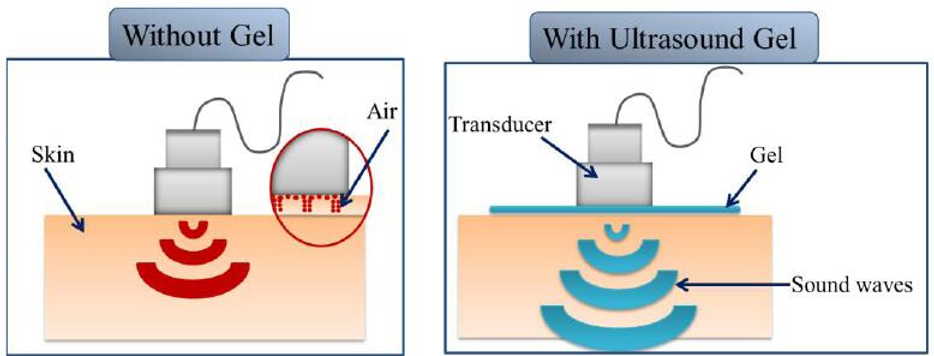
In the field of medical imaging, ultrasound gel (or coupling gel) is widely used. Its primary function is to prevent air gaps between the probe and the skin, allowing ultrasound energy to penetrate effectively, producing clear images and accurate diagnoses. As you mentioned, when there is an air gap between the probe surface and the skin, acoustic impedance matching is disrupted, causing the majority of sound waves to be reflected or scattered, preventing energy from entering the tissue.
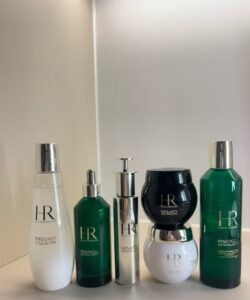
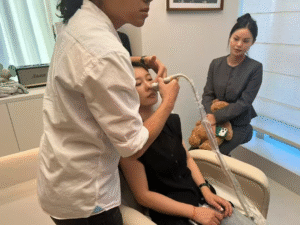
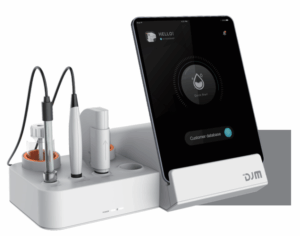
In the aesthetic medicine field (especially technologies such as non-focused high-frequency ultrasound, 3 MHz / 10MHz / 20MHz variable frequency, etc.), the role of the gel is similar to that in imaging diagnostics, but there are differences in purpose, formulation, performance requirements, and user experience. This article will explore these aspects in detail.
Physical and Biological Principles of Coupling Gel
1. Acoustic Impedance Matching
When ultrasound waves propagate across the interface of two different media, strong reflections and energy loss occur if the impedances (density × speed of sound) differ significantly. The impedance difference between air and skin is extremely high, so air almost completely reflects the sound waves. Gel fills the air gap between the probe and the skin, reducing the impedance difference and effectively transmitting the sound waves.
2. Reduction of Attenuation and Reflection Loss
As a medium, the gel has a relatively low acoustic attenuation coefficient (especially water-based or high-water-content gels with specialized formulations), which reduces energy loss within the gel layer. Studies comparing different media (such as water, oil, gel, silicone, etc.) in ultrasound therapy show that gel performs better than oils or non-water-based media in reducing reflection and attenuation losses.
3. Lubrication and Physical Contact Stability
During device movement or when the probe is applied with pressure, the gel allows the probe to glide smoothly, reducing skin discomfort from friction or signal instability due to probe movement. Stable contact also ensures a more consistent ultrasound incident angle and probe pressure, contributing to uniform energy distribution.
4. Biocompatibility, Skin Safety, and User Experience
In aesthetic applications, gels are usually in direct contact with the skin for extended periods, which may involve sensitivity, allergic reactions, stinging, or discomfort. Formulations need to consider factors such as being fragrance-free, alcohol-free, pH close to the natural skin state, low irritation, and antimicrobial or preservative properties. Studies have reported using aloe vera, natural gel bases, carbopol, and other water-based matrices to reduce skin irritation and improve user experience.
Different Requirements for the Coupling Medium in Non-Focused Ultrasound
In medical imaging or focused ultrasound (such as HIFU), energy is concentrated, penetration is deep, and power is high. Therefore, the acoustic matching of the medium (gel) is extremely important—it must ensure stability, low attenuation, and minimal reflection.
Non-focused ultrasound, however, has the following characteristics:
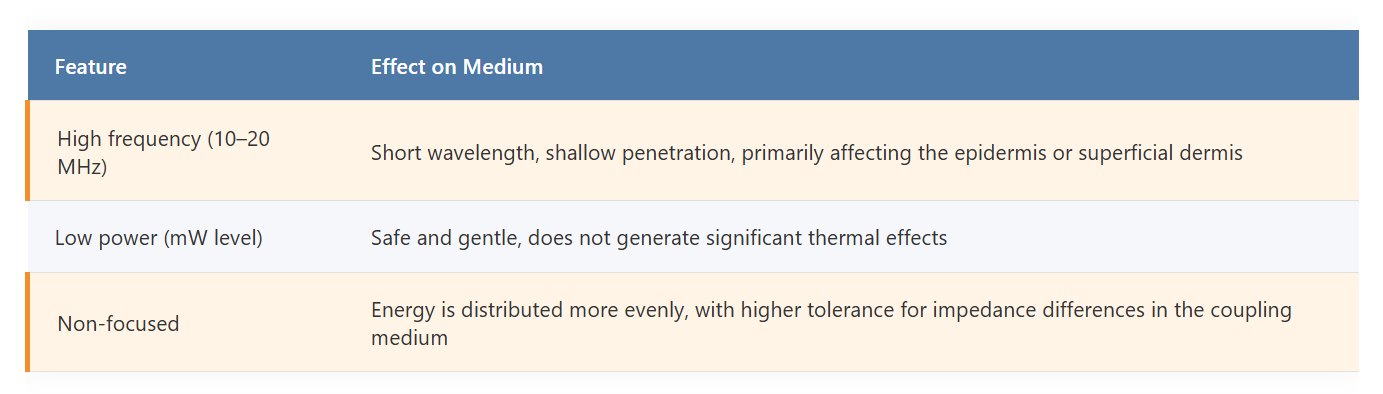
Therefore, high-frequency non-focused ultrasound does not rely on precise acoustic impedance matching to transmit energy. Instead, it mainly works through micro-vibration and activation of cellular microcirculation in the epidermal layer.
Under these conditions, the medium only needs to:
- Fill the air gap between the probe and the skin (to prevent reflection)
- Have sufficient viscosity to ensure stable probe movement
- Contain enough water or have adequate acoustic conductivity
to allow the ultrasound waves to effectively penetrate the superficial layers of the skin.
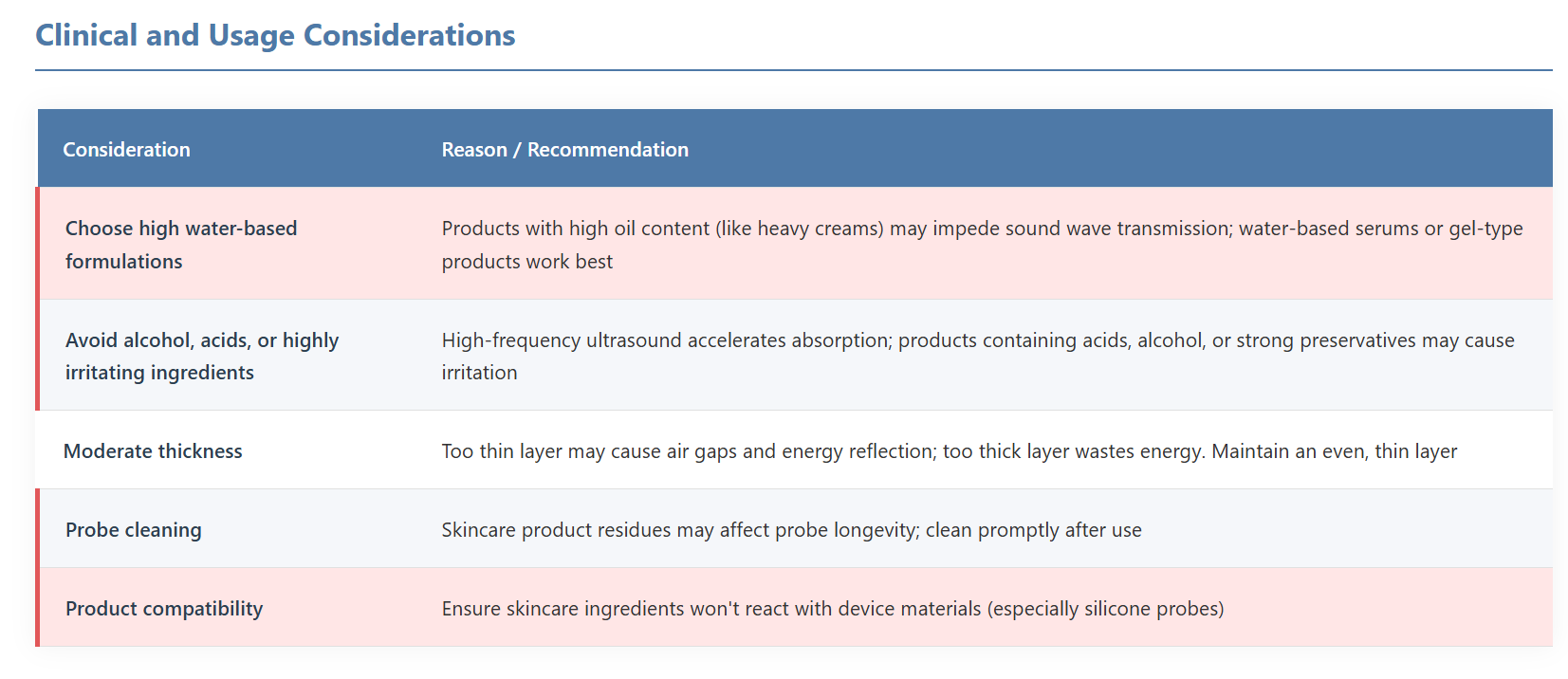
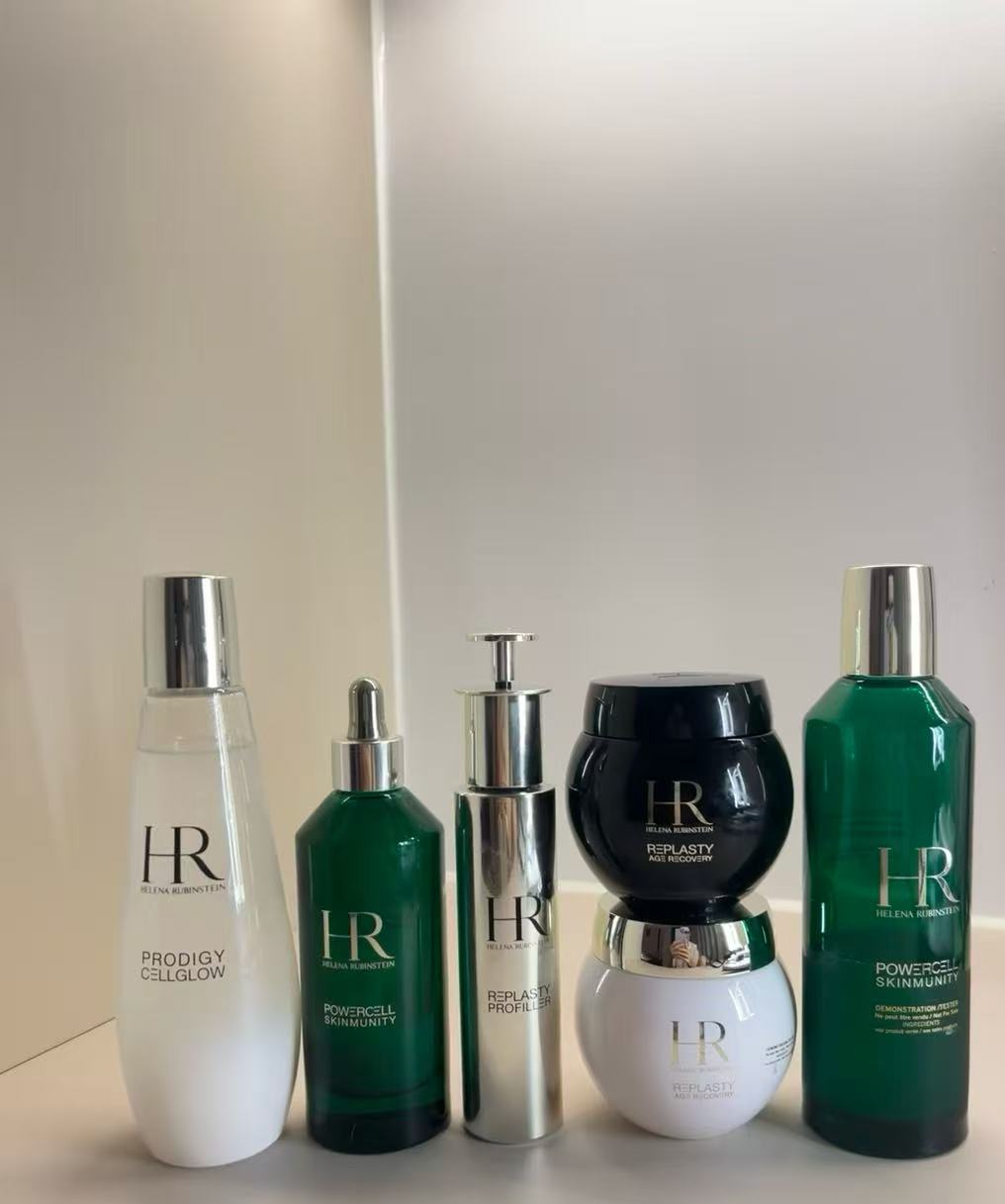
Many skincare products (especially serums, lotions, and creams) naturally meet these requirements.
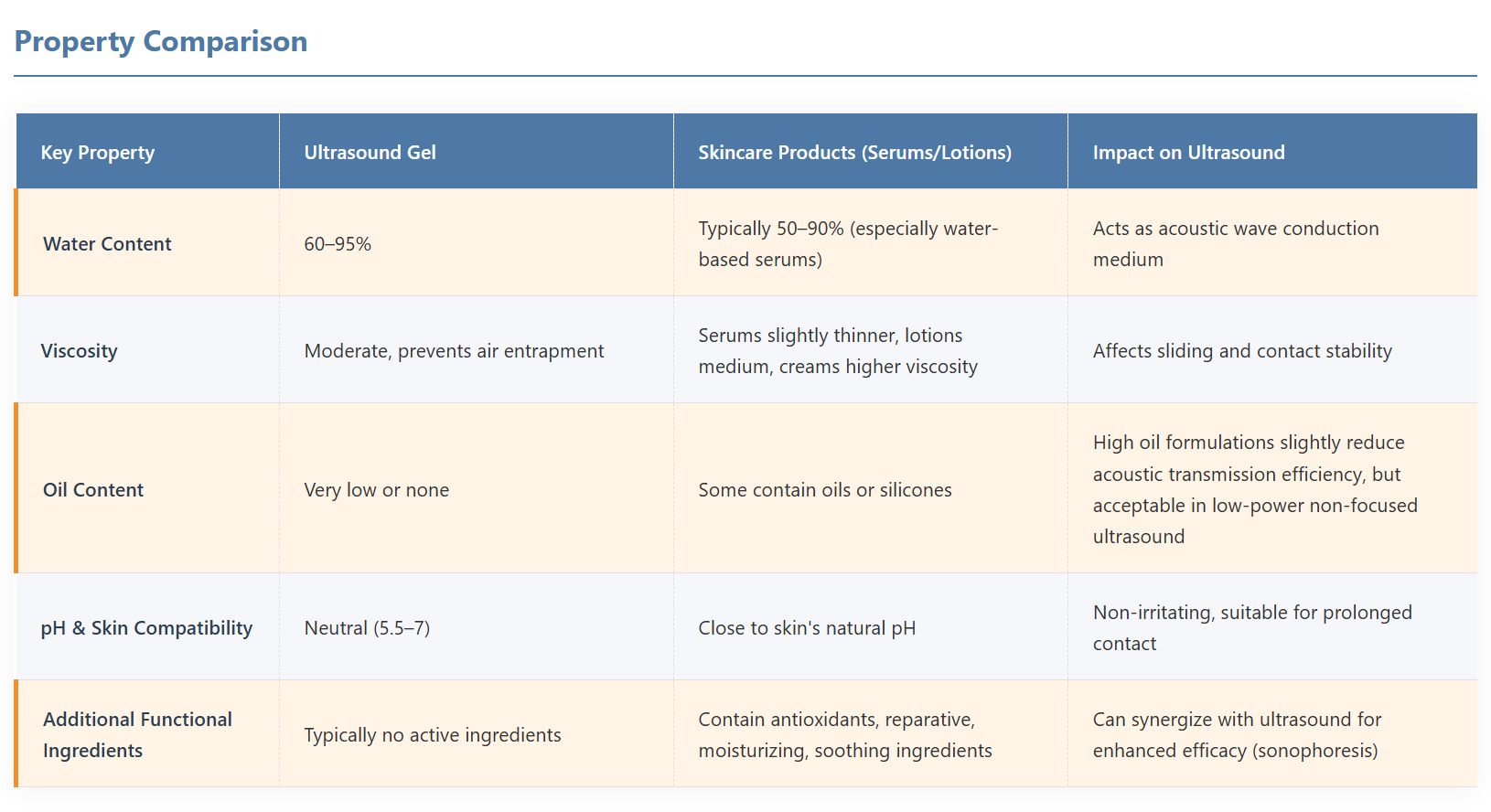
Considerations When Using Skincare Products as an Alternative to Ultrasound Gel
While skincare products can serve as an alternative to traditional ultrasound gel in non-focused ultrasound (NFU) treatments, several precautions should be observed to ensure treatment efficacy and safety:
- Choose High Water-Based Formulations Products with high oil content (e.g., heavy creams) may impede the transmission of ultrasound waves and reduce energy delivery. Water-based serums or gel-like formulations are recommended for optimal acoustic coupling.
- Avoid Alcohol, Acids, or Highly Irritating Ingredients High-frequency ultrasound can accelerate the absorption of active ingredients. Products containing alcohol, acids, or strong preservatives may cause skin irritation or discomfort. Mild, low-irritation formulations are preferred.
- Maintain Appropriate Thickness Applying too thin a layer may create air gaps, causing reflection and reduced energy transfer. Conversely, overly thick layers can waste energy and affect uniformity. A consistent, moderate layer is ideal.
- Clean the Probe Thoroughly Residues from skincare products may affect the performance and lifespan of the ultrasound probe. The probe should be properly cleaned after each session to ensure safe and effective use.
- Ensure Product Compatibility Skincare products should not chemically react with the device materials, particularly silicone probes, to prevent equipment damage or reduced treatment efficacy.