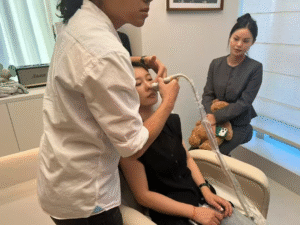
As the demand for personalized skincare and precision aesthetic treatment continues to grow, facial skin analysis devices have become essential tools in both beauty salons and medical aesthetic clinics. From surface-level assessments to deep tissue imaging, these technologies provide practitioners with actionable insights for diagnosis, treatment planning, and progress tracking. In this article, we explore the most common types of facial skin analysis devices, their representative products, technologies, pros and cons, and their unique value within the industry.
1. Overview of Main Types of Skin Analysis Devices
The following categories summarize the current landscape of facial skin analysis technologies:
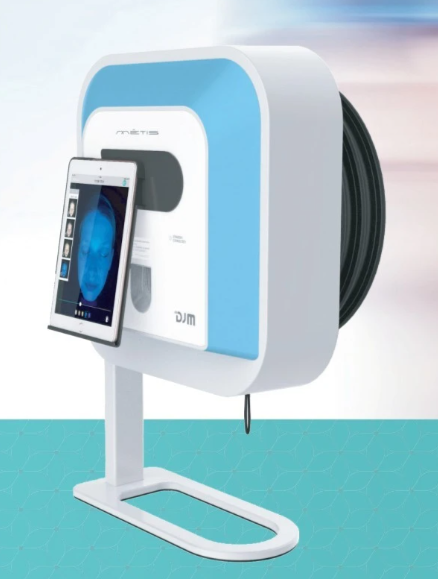
– Spectral Imaging Systems (e.g., Metis Skin Analyzer)
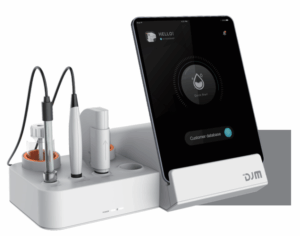
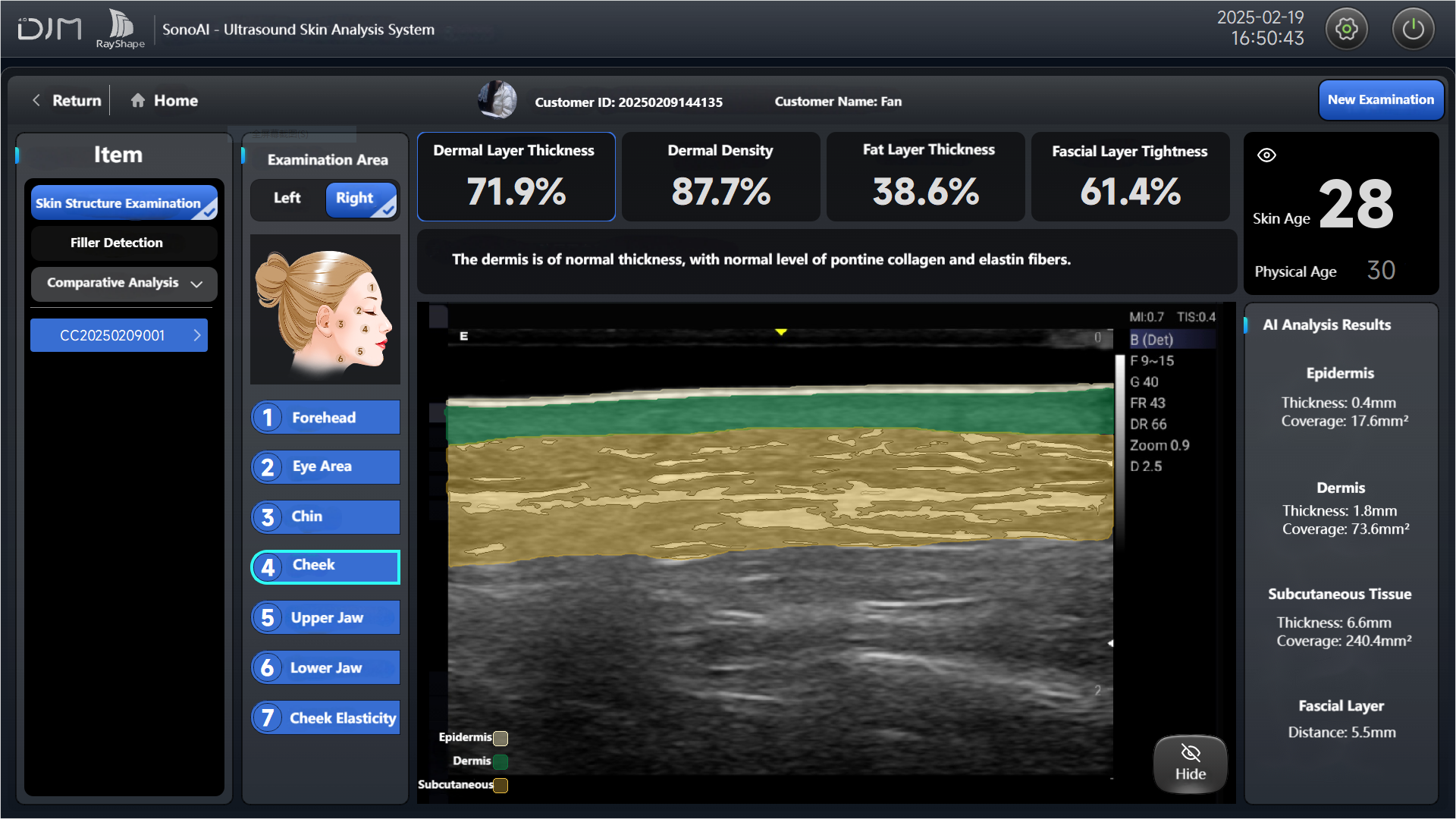
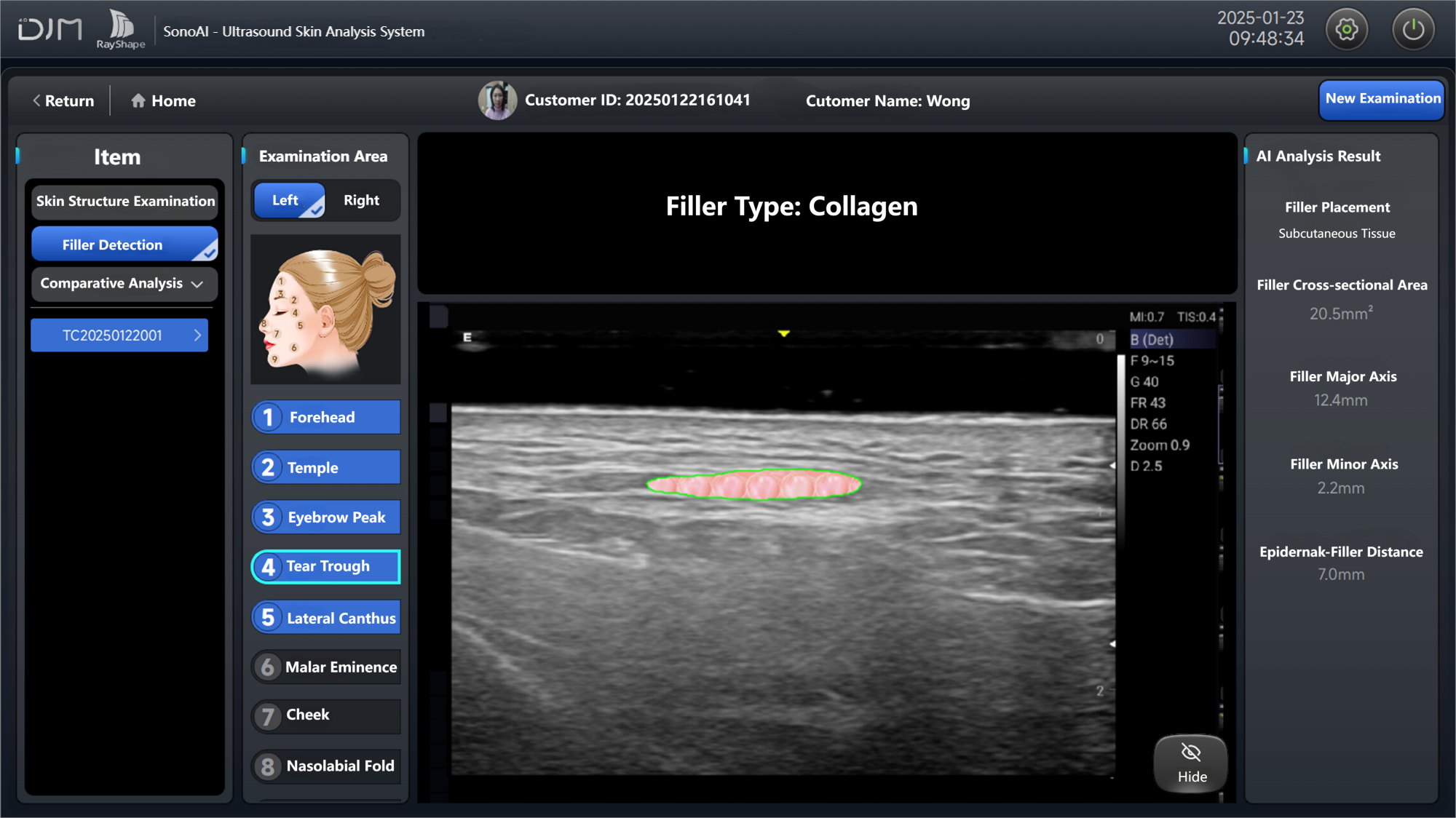
– Ultrasound-Based Imaging (e.g., DJM LiSense Pro, DJM LiSense Go)
– Dermatoscopes & Handheld Microscopes (e.g., MoreMe Derma Lab, MoreMe Derma Scope)
– 3D Facial Modeling Systems
– AI-Based Imaging Apps (e.g., Lu&Ba Smart Skin Analysis System)
2. Detailed Analysis by Device Type
2.1 Spectral Imaging Systems
Used primarily for analyzing surface skin conditions such as pigmentation, pores, wrinkles, and UV damage. These devices use multiple light spectra (RGB, UV, PL) to visualize various skin parameters.
Pros:
– Non-invasive and easy to operate
– Generates visual reports
– Common in entry-level diagnostics
Cons:
– Limited to epidermal assessment
– Susceptible to ambient light interference
– No sub-surface insights
2.2 Ultrasound-Based Imaging
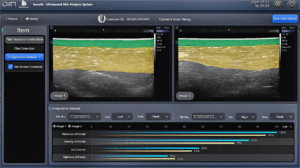
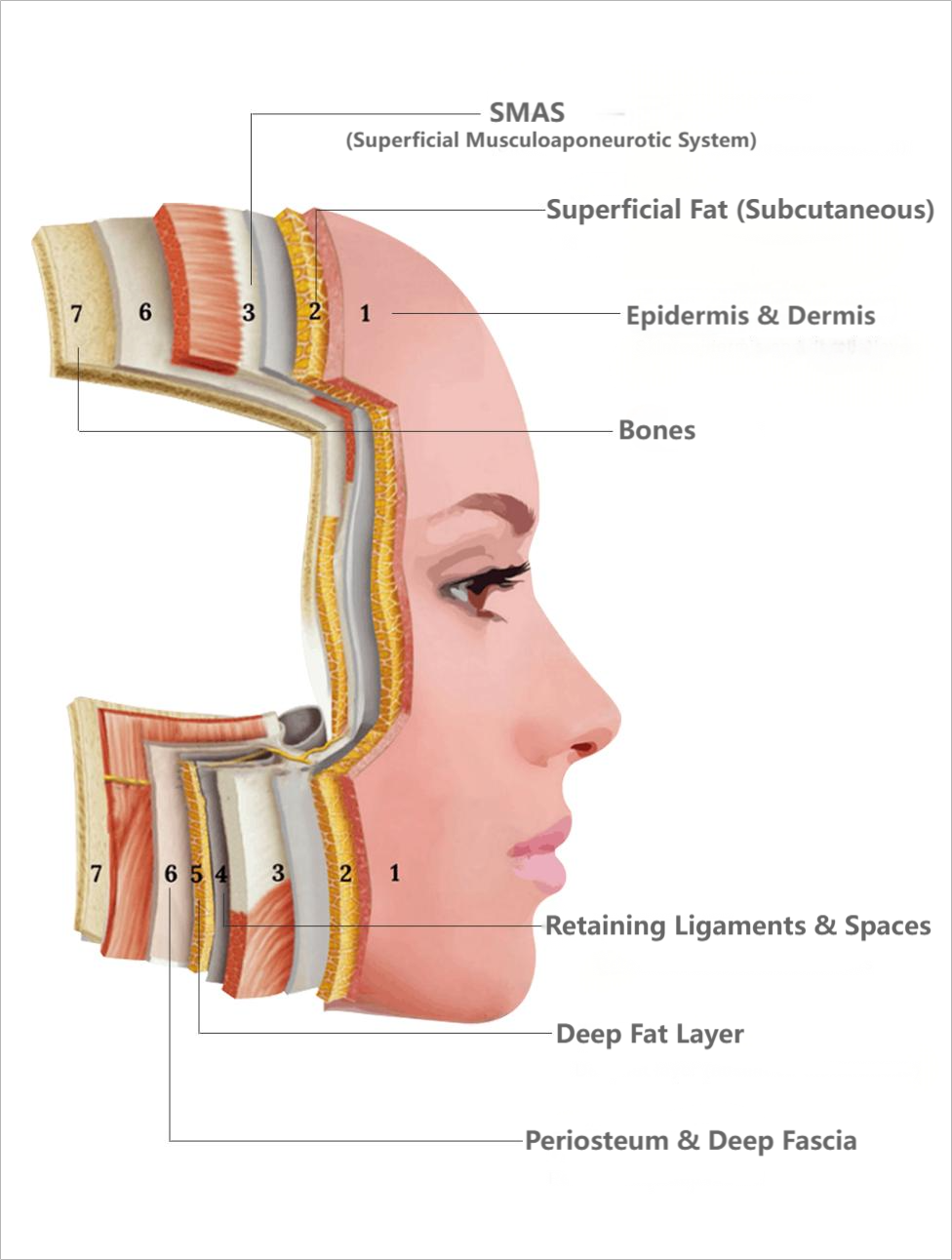
Ultrasound devices such as the DJM AI Skin Ultrasound System offer deep tissue scanning capabilities, including dermis, subcutaneous fat, and SMAS layers. These devices integrate high-frequency probes (10–20 MHz) and AI rendering for layered visualization.
Pros: Cons:
– Accurate assessment of internal skin structure – Higher cost
– Detects filler location and skin laxity
– AI-powered metrics for elasticity, collagen
2.3 Dermatoscopes and Microscopes
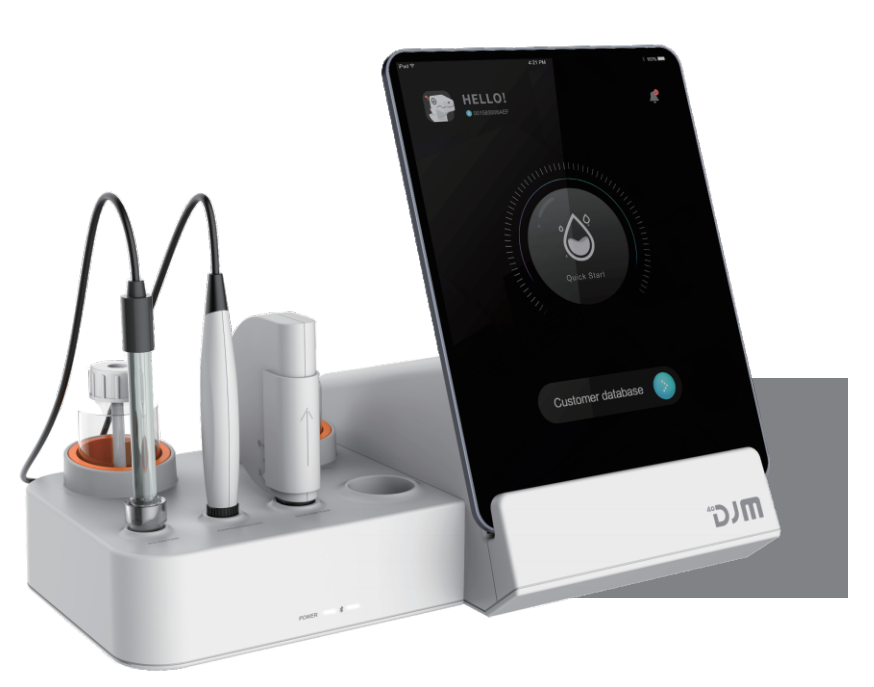
Handheld magnifying devices used to inspect skin lesions, moles, or localized issues. Suitable for point-specific diagnostics.
Pros:
– Affordable and compact
– Ideal for dermatology clinics
– High-resolution magnification
Cons:
– Only useful for spot analysis
– No overall skin profiling or history tracking
2.4 3D Facial Modeling Systems
3D facial modeling devices use structured light or stereophotogrammetry to build facial surface models, helpful for pre- and post-treatment simulations and volume analysis.
Pros: Cons:
– Visualizes facial contours and changes – Expensive and setup-sensitive
– Effective for filler simulations – No subcutaneous data
– High visual impact
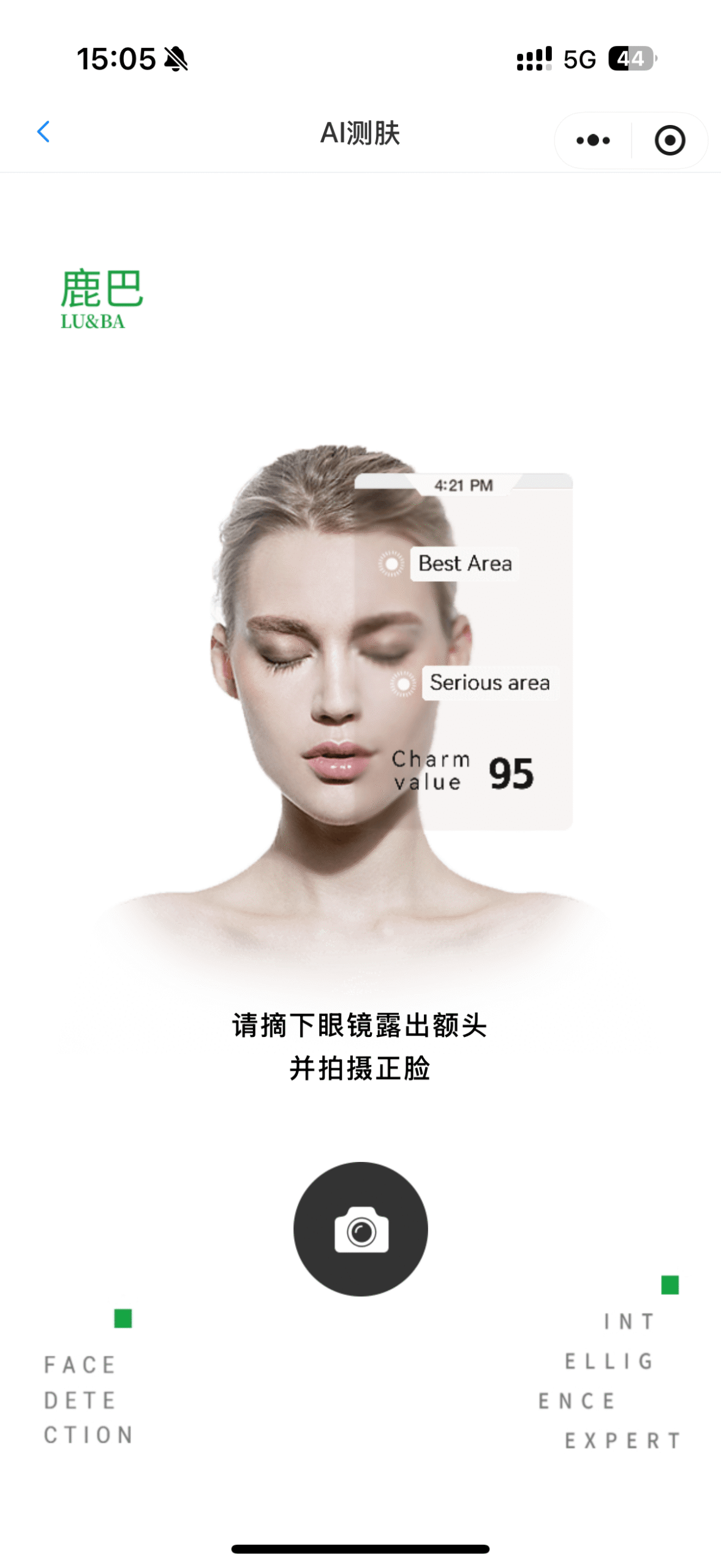
2.5 AI-Based Imaging Applications
Mobile-based solutions using front cameras and cloud-based AI for simple skin assessments. Common in consumer-level skincare routines.
Pros:
– Low cost
– Easy deployment for online consultation
– Integrates with CRM and ecommerce
Cons:
– Low accuracy
– Affected by lighting and makeup
– No medical-grade validation
3. Industry Recommendations
– Clinics should consider integrating ultrasound and 3D systems for high-end diagnostics.
– Beauty salons benefit from combining spectral imaging and AI apps for user engagement and conversion.
– Brands and platforms can adopt AI tools for customer interaction and product recommendations.
– Dermatology and training centers may favor handheld microscopes and ultrasound devices for precision work.
4. Conclusion
From entry-level AI image analysis to advanced ultrasonic scanning, skin analysis devices play a pivotal role in modern aesthetic practices. Choosing the right technology depends on application depth, clinical goals, and target clientele. As innovation continues, devices like DJM’s AI-powered ultrasound skin analysis system are leading the transformation toward intelligent, data-driven skincare diagnostics.